A fresh start in the United Kingdom's relations with the European Union
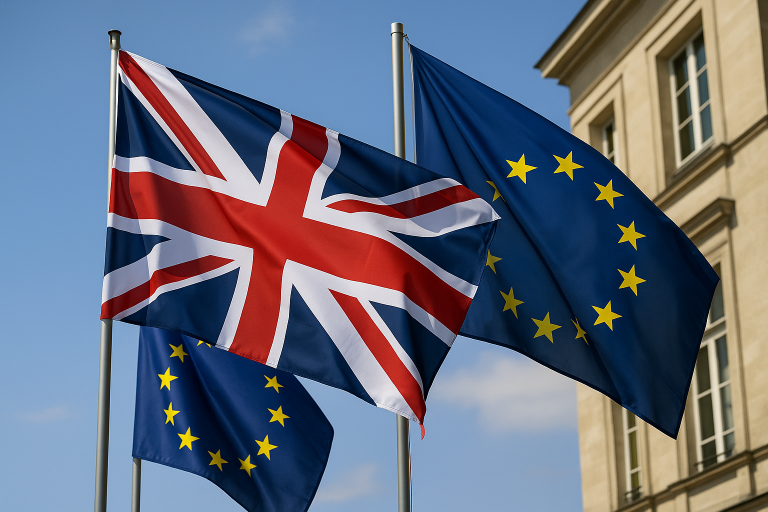
In April 2026, the British Minister for the Constitution and European Union Relations, Nick Thomas-Symonds, announced in an interview with the Italian daily "La Repubblica” a campaign to bring the United Kingdom as close as possible to the European Union. This is a landmark declaration that may have far-reaching legal and economic consequences - both for businesses engaged in cross-border trade and for Polish citizens living in the United Kingdom.
The context of this announcement is highly significant. Since Brexit, trade, regulatory and institutional relations between the UK and the EU have become considerably more complicated. Thousands of companies - including Polish businesses exporting to the British market - have had to deal with new customs barriers, certification requirements and restrictions on the free movement of workers. London's current change of political course may gradually ease these barriers.
Thomas-Symonds admitted openly that the current post-Brexit arrangements are not suited to today's challenges. He pointed to the war in Europe, conflicts in the Middle East and China's dominance in strategic industrial sectors - all of which compel London and Brussels to cooperate more closely. For Polish law firms and their clients, this is a signal that the regulatory environment may soon change dynamically.
Key areas of UK-EU negotiations and their legal significance
The negotiations conducted by the British side with the Vice-President of the European Commission, Maroš Šefčovič, cover several fundamental areas that directly affect the legal position of Polish citizens and businesses. Each of them is worth analysing in terms of its practical consequences.
The negotiating achievements to date, to which the British side refers, cover the following matters:
- Security and defence coordination - closer military and intelligence cooperation between the UK and EU member states.
- Return of the Erasmus programme - reopening student exchange opportunities, which is particularly important for Polish young people planning to study in the United Kingdom.
- Easier trade in food products - simplified phytosanitary and customs procedures, crucial for Polish food exporters.
- Energy agreement - a common regulatory framework in the energy sector, important in the context of the climate transition.
- Youth mobility - new rules enabling young people to move more easily between the UK and EU countries.
Each of these points creates a need to adjust trade agreements, employment terms and compliance strategies on the part of both British and EU businesses. For Polish companies, this means the need to monitor legal changes on an ongoing basis and, where necessary, renegotiate contracts.
Dynamic alignment with EU regulations - opportunity or risk?
One of the most controversial - and, from a legal perspective, most interesting - elements of Thomas-Symonds' declaration is the statement that "dynamic alignment with European regulations is nothing bad”. In practice, this means the United Kingdom's readiness to adopt EU regulatory standards in selected sectors, which is a radical departure from the Brexit philosophy of full regulatory sovereignty.
For Polish entrepreneurs operating on the British market, this is potentially very good news. Harmonisation of regulations between the UK and the EU would mean lower compliance costs, simpler product certification procedures and easier cross-border trade. Companies that gave up exporting to the United Kingdom after Brexit because of excessive bureaucracy could reconsider entering this market.
At the same time, caution is advisable. Dynamic regulatory alignment is a mechanism that requires precise legal frameworks. The key questions concern which sectors will be covered by such a mechanism, what the scope of automatic adoption of regulations will be, and what scope for derogations will remain. Polish law firms specialising in international commercial law should already be preparing their clients for various scenarios.
Thomas-Symonds also stressed that the new agreements are intended to lead to the creation of more jobs and lower living costs. This is a political argument, but delivering on it requires specific legal instruments - from agreements on the mutual recognition of professional qualifications to renegotiating the rules of access to the labour market.
The SAFE programme and defence - a lesson for Polish businesses
A particularly interesting thread of the negotiations is the EU's SAFE programme (offering loans for defence-related spending). The United Kingdom refused to pay nearly €8 billion for full access to the programme, which Thomas-Symonds described as a "great disappointment”. At the same time, limited participation was negotiated - up to 35% of the components of new defence projects.
For Polish companies in the arms and defence sector, this is information of great strategic importance. Poland, as one of the largest investors in defence in Europe, may play the role of an intermediary in projects combining EU funding with British technological know-how. Public procurement law in the defence sector requires particular attention in this context - both in terms of EU regulations and bilateral agreements with the UK.
It is also worth noting the unfinished negotiations on tuition fees at British universities for students from EU countries. After Brexit, Polish students lost the right to preferential tuition rates, which dramatically increased the cost of education in the United Kingdom. Any agreement on this issue - combined with the return of the Erasmus programme - could restore the appeal of British universities for Polish young people.
What does the change in UK-EU relations mean for Polish businesses and citizens?
The announced rapprochement between the United Kingdom and the European Union is a process that will be spread over years and will involve dozens of detailed sectoral agreements. For Polish entrepreneurs, employees and students, the key is ongoing monitoring of regulatory changes and proactive adaptation to the new legal reality.
In practice, it is worth taking the following steps now:
- Review of existing trade agreements with British counterparties in terms of regulatory and customs clauses.
- Analysis of the possibility of returning to the British market for companies that withdrew after Brexit.
- Monitoring changes in immigration and employment law in the context of the announced greater youth mobility.
- Consultation with a law firm specialising in international law and UK-EU relations to assess your individual legal situation.
The negotiations between London and Brussels are entering a decisive phase. The declaration on "dynamic alignment with European regulations” is a fundamental change of approach that may reshape the legal framework of cross-border cooperation. Polish businesses - from small food exporters to large technology companies - should treat these changes as an opportunity, while at the same time protecting themselves against the risks associated with regulatory uncertainty.
Do you need a professional legal analysis of how changes in UK-EU relations will affect your business or personal situation? Contact our firm - our specialists in international law and commercial law will help you prepare for the coming changes and protect your interests. Do not wait for the final agreements - act proactively today.
Have a question about this?
The first consultation is free - let us talk about your situation.