Donald Trump is once again imposing tariffs on imported goods, which may trigger a new wave of trade tensions around the world. Although at the last minute the United States postponed tariffs on products from Mexico and Canada, this does not mean the end of the tariff war. Trump is announcing further steps against China and the European Union, and the effects of these actions may also hit the Polish economy. What do we know about the new tariffs and what will their consequences be?
A new tariff war - what is Donald Trump planning?
🔹 Mexico and Canada - tariffs postponed, but not scrapped
For now, tariffs on goods from Mexico and Canada have been postponed for 30 days, which gives both countries time to negotiate on controlling the flow of goods and immigration. However, if they fail to meet US requirements, the tariffs could come into force as early as next month.
🔹 China - further tariff increases
Donald Trump has raised tariffs on Chinese products by 10%, continuing earlier trade restrictions. This is yet another escalation of tensions between the US and China, which accounts for a large share of global production of electronics and consumer goods.
🔹 European Union - tariffs on the horizon
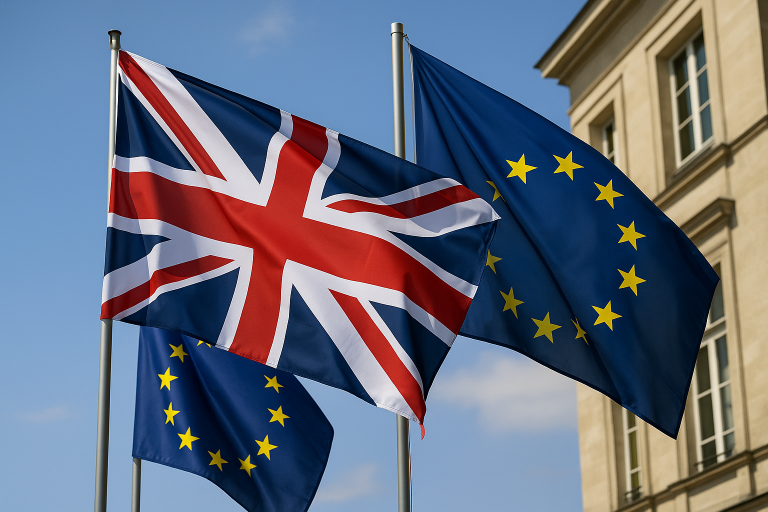
Trump is also announcing the introduction of tariffs on goods imported from the EU, although specific rates have not yet been disclosed. Europe is preparing for possible retaliation, and the biggest concern is the impact of these measures on exports of cars, steel and agricultural products to the US.
How will the tariffs affect Poland?
Poland is not a major exporter to the US, but the new tariffs may affect our economy in several key sectors:
✔ Automotive industry - Poland supplies car parts to Germany, which then end up in the US. Tariffs on European cars may reduce demand for Polish components.
✔ Steel and aluminium industry - If the United States raises tariffs on steel and aluminium again, this will affect Polish steelworks and manufacturers of structural components.
✔ Food exports - Poland exports food products to the US, mainly processed food and alcohol. Tariffs may have a negative impact on the profitability of companies operating in this sector.
Consequences for the global economy
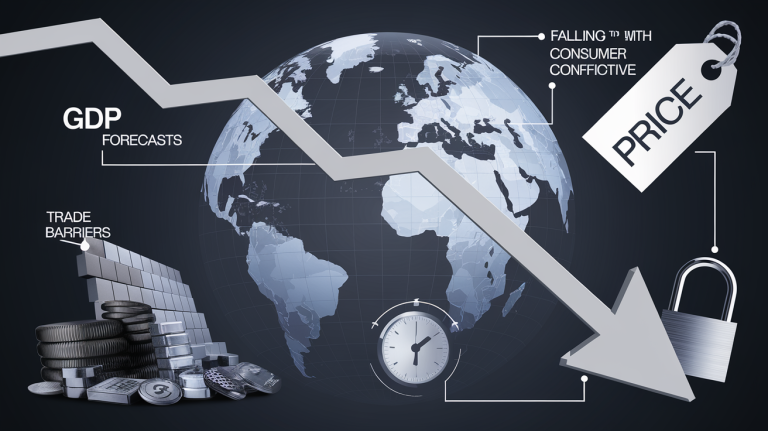
✅ Higher inflation in the US - Higher tariffs make imported products more expensive, which may lead to price rises in the United States.
✅ Response from China and the EU - Countries hit by the tariffs may introduce their own restrictions, leading to a further escalation of the trade war. Restrictions on American products exported to Europe and Asia are possible.
✅ Uncertainty for investors - Volatility in global trade and rising tensions affect sentiment on financial markets, which may lead to currency fluctuations and falls on stock exchanges.
What next?
For years, Donald Trump has pursued a policy of protectionism aimed at protecting American industry and increasing revenue from tariffs. However, the global economy is closely interconnected, and a new trade war may do more harm than good. Poland, although not the main target of these measures, may also feel the negative effects.
➡ How can you prepare your business for the coming changes? Contact us for professional advice on international trade and cost optimisation.
Have a question about this?
The first consultation is free - let us talk about your situation.