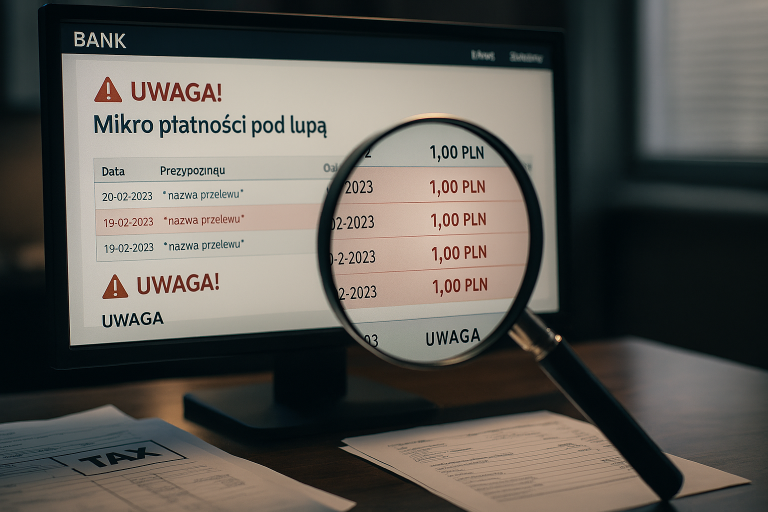
"What is the source of your money?" - this is a question that banks are increasingly putting to their customers. It comes up particularly when a larger sum of money is paid into an account or when unusual transactions take place. Although these questions can be frustrating, it is worth answering them, because avoiding an explanation may result in your account being blocked or even your agreement being terminated by the bank. We explain why banks ask about the origin of funds and how you can avoid such problems.
Why do banks ask about the origin of money?
These actions result from the provisions of the Act of 1 March 2018 on Counteracting Money Laundering and Terrorist Financing (the so-called AML Act). Under the law, banks are required to apply financial security measures, which include, among other things, identifying the customer and verifying the sources of their income. A bank that ignores these provisions may be subject to substantial administrative fines.
When can banks ask about the source of money?
Under the AML Act, banks are required to apply additional verification measures in the following situations:
- Carrying out a transaction worth at least €15,000 - even if it consists of several smaller operations.
- Transfers of funds exceeding €1,000 in virtual currencies.
- Suspicion of money laundering or terrorist financing - regardless of the value of the transaction.
- High-value cash deposits - especially where they do not fit the customer's transaction profile.
- Transfers to countries subject to sanctions.
What documents can the bank request?
Depending on the situation, the bank may ask you to provide the following documents confirming that the funds are legitimate:
- tax returns (e.g. PIT, CIT),
- copies of civil law contracts,
- certificates of employment and earnings,
- sales invoices,
- inheritance or gift documents.
In the case of business owners, these may also include business account statements, financial statements or confirmations of payments into the business account.
How can you avoid problems with your bank?
- Update your details regularly - inform the bank of any changes, such as a new identity card or a change of home address.
- Document your transactions - especially unusual ones, such as large cash deposits or transfers from abroad.
- Report changes to your business profile - if you start a new type of transaction or change the scale of your business, tell the bank.
- Cooperate with the bank - promptly providing the required documents helps you avoid an account block.
When is it worth considering an account abroad?
If you are worried that account blocks could affect your business, consider opening an account in a foreign company, for example in the UK or Dubai. The accounts of LTD companies are not subject to Polish AML rules, which means greater freedom in managing your finances. Such a solution offers:
- Protection against blocks resulting from local regulations,
- The ability to carry out international transactions in many currencies,
- Greater flexibility in managing your company's finances.
If you are considering opening an account abroad or want to adapt your business to changing regulations, book a free consultation. Our experts will help you choose the best solutions, tailored to your needs.
Have a question about this?
The first consultation is free - let us talk about your situation.